
Balancing Mission with Resources
By Edward Earwood | SCACS Director / VP of AACS
In the pursuit of fulfilling God’s calling, many Christian education leaders find themselves laser-focused on the mission—sharing the gospel, discipling believers, educating the next generation, and serving communities. This focus is noble, necessary, and deeply biblical. Yet, in our zeal to stay “on mission,” we often neglect a critical component of sustainability: financial stewardship.
It’s not that we don’t care about finances. More often, it’s that we feel unequipped, overwhelmed, or even guilty for giving too much attention to money. We tell ourselves, “God will provide,” and He does—but not always in the way we expect. God never asked us to create something out of nothing. Instead, He calls us to be faithful stewards of the resources He has already placed in our hands.
The Image of Moses: A Lesson in Support
Consider the story of Moses in Exodus 17. As Israel battled Amalek, Moses stood on the hill with the staff of God in his hands. As long as his arms were raised, Israel prevailed. But when his arms grew tired and dropped, the tide turned against them. So, Aaron and Hur came alongside him, holding up his arms until victory was secured.
This image is powerful. One arm can represent the mission—the spiritual calling, the vision, the purpose. The other arm represents the financial side—the resources, the infrastructure, the sustainability. When either arm drops, the mission falters. It’s not enough to be spiritually strong if we are financially weak. And it’s not enough to be financially secure if we’ve lost sight of the mission. Both arms must be lifted, and sometimes we need help to hold them up.
A Shift in Mindset: From Survival to Sustainability
Many ministries operate in survival mode—focused on short-term needs, urgent fixes, and just “getting through” the next month or fiscal year. This mindset, while understandable, is not sustainable. It keeps leaders reactive instead of proactive, and it limits the long-term impact of the mission.
Survival thinking says, “We don’t have enough,” “We’ll make do,” or “We’ll wait until we can afford it.” But sustainability thinking asks, “How can we build capacity?” “What has God already provided?” and “How do we steward this for the future?”
This shift is not just financial—it’s spiritual. It’s a move from scarcity to abundance, from fear to faith, and from temporary fixes to lasting foundations. Scripture reminds us that God is not a God of barely enough—He is a God of more than enough. He owns “the cattle on a thousand hills” (Psalm 50:10), and He calls us to steward His resources wisely.
The parable of the talents (Matthew 25) illustrates this beautifully. The master didn’t expect his servants to create wealth from nothing—he gave them resources and expected them to steward those resources faithfully. The ones who planned, invested, and multiplied were commended. The one who buried his talent out of fear was rebuked.
Sustainability means thinking beyond today. It means building systems, cultivating relationships, and investing in infrastructure that will support the mission for years to come. It’s not about having everything now—it’s about using what we have wisely so that the mission can endure and expand.
Stewardship Is Mission-Critical
Your mission doesn’t matter if you can’t sustain it. That may sound harsh, but it’s true. A school that can’t pay its teachers, maintain and expand its facilities, and fund its programs—all of these will eventually collapse, no matter how noble their purpose.
Financial stewardship is not a distraction from the mission; it is a necessary part of the mission. It enables the mission to thrive, expand, and endure. It allows us to invest in people, infrastructure, innovation, and outreach. It gives us credibility with donors, partners, and the communities we serve. And it honors God, who calls us to be wise managers of all He entrusts to us.
Practical Steps Toward Financial Health
So how do we begin to lift the financial arms of our ministry?
Here are a few practical steps:
- Assess Honestly: Take a clear-eyed look at your financial health. What are your income sources? What are your expenses? Where are the gaps? What trends do you see?
- Build Capacity: If you lack financial expertise, seek help. Look at current staff for help, recruit a finance-savvy board member, or attend training. You don’t have to do it alone.
- Plan Strategically: Develop a budget that aligns with your mission and goals. Include contingency plans, growth projections, and investment strategies.
- Communicate Transparently: Share your financial story with stakeholders. Donors and supporters are more likely to give when they understand the impact and the need.
- Celebrate Provision: Recognize and thank God for every gift, grant, and donation. Cultivate a culture of gratitude and generosity.
Conclusion: Holding Up Both Arms
The mission is paramount. But so is the stewardship that sustains it. Like Moses, we must recognize that victory comes when both arms are lifted—when the spiritual and the practical work together in harmony. And like Aaron and Hur, we must be willing to support one another, especially in areas where we feel weak or weary.
God has not called us to create something out of nothing. He has called us to use what He has given—faithfully, wisely, and boldly. When we do, we move from scarcity to abundance, from survival to sustainability, and from good intentions to lasting impact.Let’s lift both arms. The mission depends on it
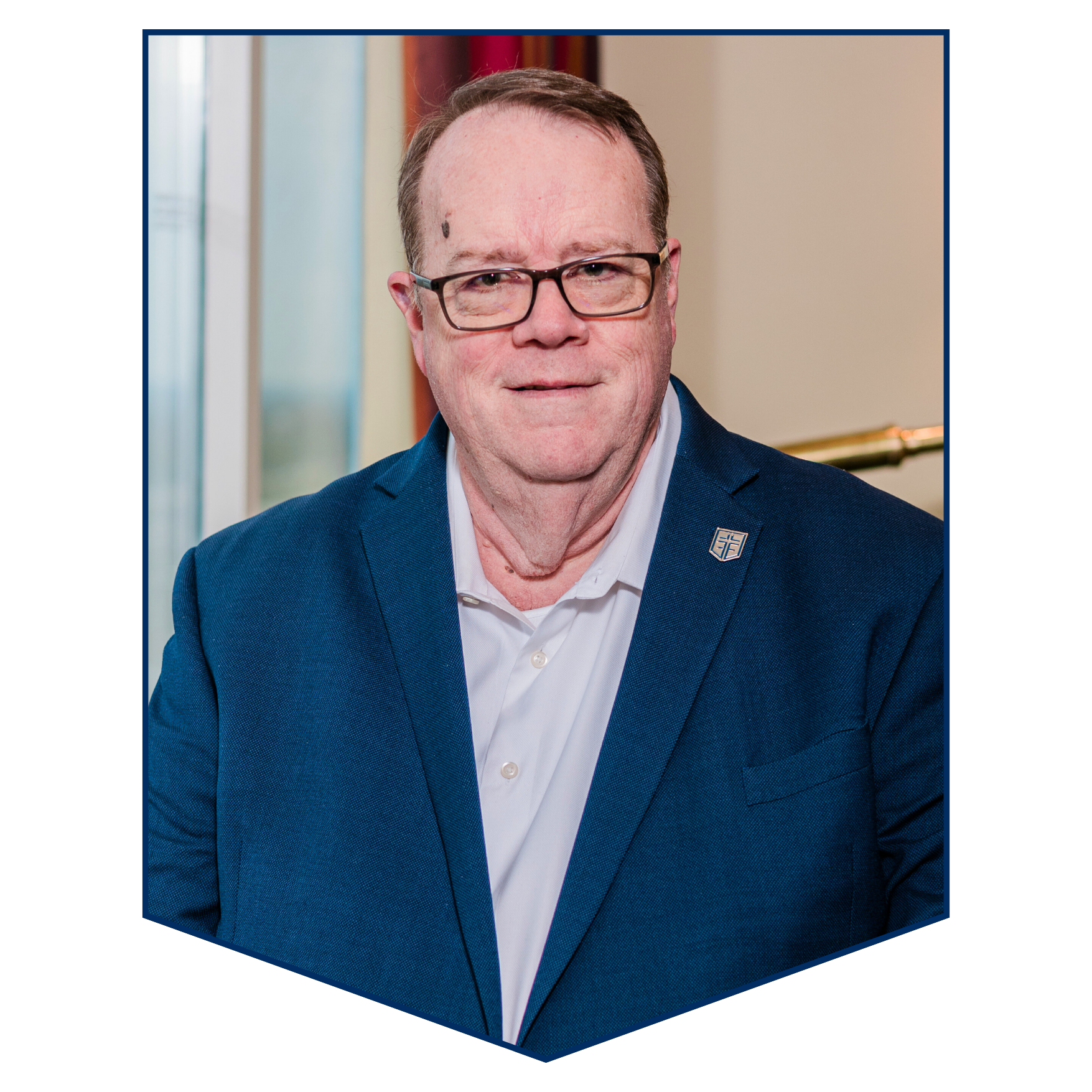
Edward Earwood, President of Fortify Foundation, currently serves as the Executive Director of South Carolina Association of Christian Schools, bringing 42 years of Christian education ministry experience. He held pivotal roles, including Director of Student Services at Alabama Christian Education Association for nine years. A Bob Jones University and Pensacola Christian College alumnus, Edward co-authored “A Scent of Water” in 2012. Married to Debra, they actively serve at Grace Baptist Church, West Columbia, South Carolina.