
Written by Edward Earwood Director / SCACS Board Chair / Fortify Foundation
I was recently on an accreditation trip when a team member relayed to us a conversation between a teacher and one of her students. The gist of the conversation was the student explaining details to the teacher about their recent research into an athletic icon. The excited student began the explanation to the teacher with the phrase that was something akin to Hey, did you know that way back in the 1900’s there was a basketball player named Michael Jordan? Most who heard the story, like me, smiled and commented about the prominence of the player or the fact their lives included many years of this “ancient” century which the student was describing.
But I remember pausing for a couple of minutes and thinking about the days “way back in the 1900’s” when many of our Christian schools were getting their start. I entered a Christian school for the first time more than 50 years ago. I am thankful that the founder and his wife had the vision to start the school. By the time I graduated high school and college, a new Christian school was being opened every day. Yes! Christian schools were being established and growing “way back in the 1900’s.”
Shortly beyond the turn of the century—wow, just imagine that we were finally out of the ancient days! —Christian education enrollment had peaked and was beginning to gradually drop. I thought about the waning years of numerical enrollment during the first decade of the 2000’s and realized that a resettlement of enrollment as happened within our movement, and we are in another growth phase presently.
Most of all, I contemplated what we had learned from the good ole’ days; just what had we done or failed to do that was impacting us currently. Several thoughts raced in my mind! Understanding that there were many struggles in our beginning “way back in the 1900’s,” I find it encouraging that we have lived to see our golden anniversary. Many schools have flourished; some of these still flourish. Others are fledgling for varying reasons.
One thought that kept recurring was the idea of future planning, or in some cases the lack thereof. The modern version of our schools often focusses on planning, both short- and long-term. School leaders spend time discussing strategic plans. Then I think back to the good ole’ days. What kind of planning did we do “way back in the 1900’s?”
Much work was done, much time invested, many resources expended just to establish and sustain school programs. As programs began to grow, additional planning and resources were consumed just to keep up. One- to three-year planning was challenging; three- to ten-year planning often became minimal. And now, fifty years later, many school leaders find themselves leading schools that are still in short-term survival or maintaining mode.
What had been missed “way back in the 1900’s?” Often it was the long-term financial investment necessary to allow schools to survive and thrive. I often use Proverbs 11:1 to remind myself that “a false balance is an abomination to the Lord.” I do know that the context of Proverbs 11:1 is speaking of the scales that should provide a just measure for business use; however, there is the principle that our God has created a world that reflects His just character—balance is a quality of His character.
“Way back in the 1900’s” most Christian school financial planning did not provide a balanced plan for use of resources. Please understand that I am not being critical; I am simply making an observation. After all, I was part of a Christian school “way back in the 1900’s.” What do I mean by a balanced plan for resources? Long-term financial planning should have included both rainy day funds (which many did include in the school plan) and asset earning long-term funds that would sustain a school or allow a school to thrive and not just survive.
As Christian school leaders, one of our purposes should be the long-term, financial sustainability of our school. We must operate financially viable schools presently. We must provide for the short-term and long-term needs of our schools. But part of a balanced plan should include long-term asset earning funds that can ensure our future viability. “Without counsel purposes are disappointed: but in the multitude of counsellors, they are established” (Proverbs 15:22).
Can I challenge you to review your long-range plans for your Christian school? As you evaluate your plans for long-range sustainability for your school, consider whether your plan is a balanced approach. If you find yourself seeking counsel to better accomplish your purpose of this balanced plan, please know that Fortify Foundation stands ready to assist you. The last thing any of us want to hear fifty years from now is that “way back in the 2020’s,” our school did not work a balanced plan.
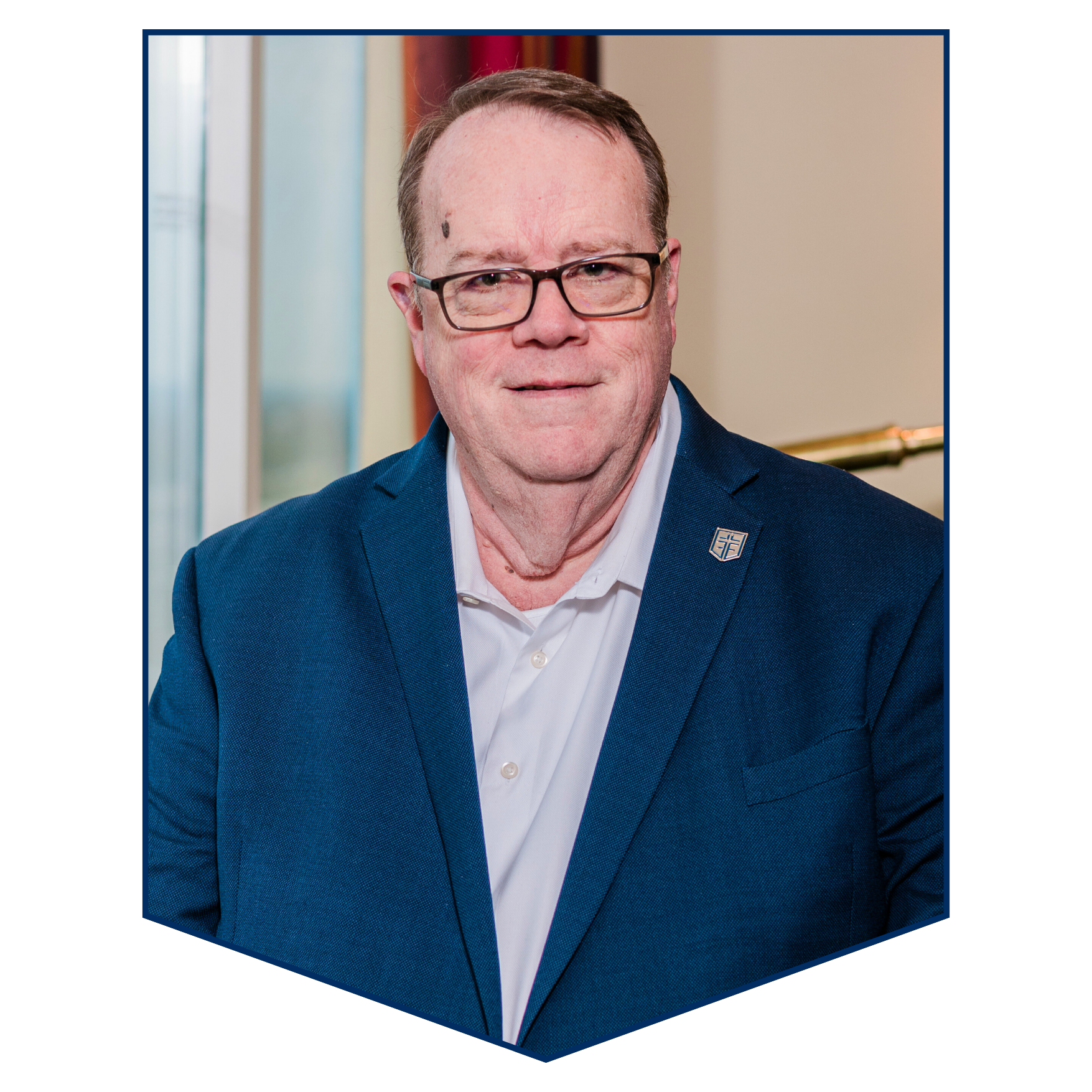
Edward Earwood, President of Fortify Foundation, currently serves as the Executive Director of South Carolina Association of Christian Schools, bringing 42 years of Christian education ministry experience. He held pivotal roles, including Director of Student Services at Alabama Christian Education Association for nine years. A Bob Jones University and Pensacola Christian College alumnus, Edward co-authored “A Scent of Water” in 2012. Married to Debra, they actively serve at Grace Baptist Church, West Columbia, South Carolina.